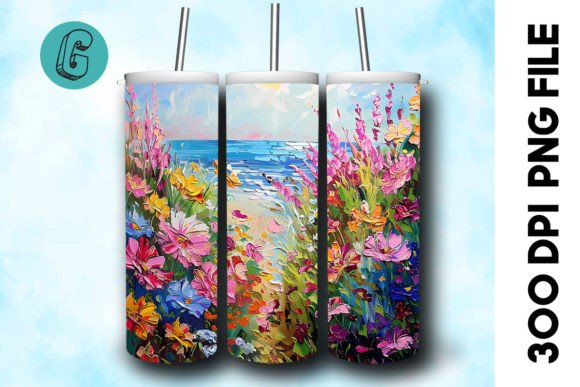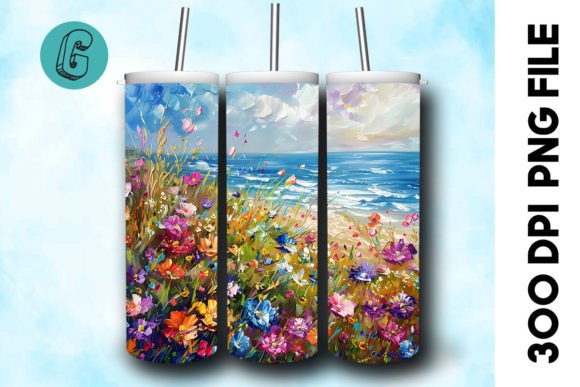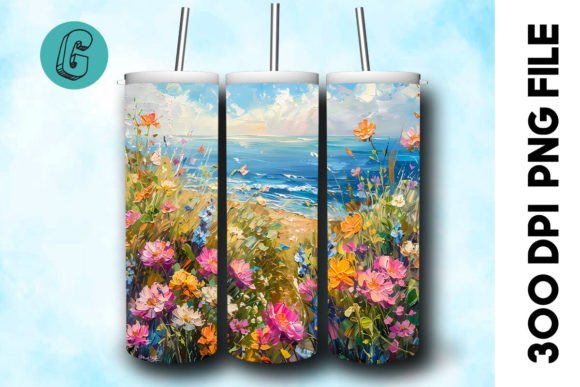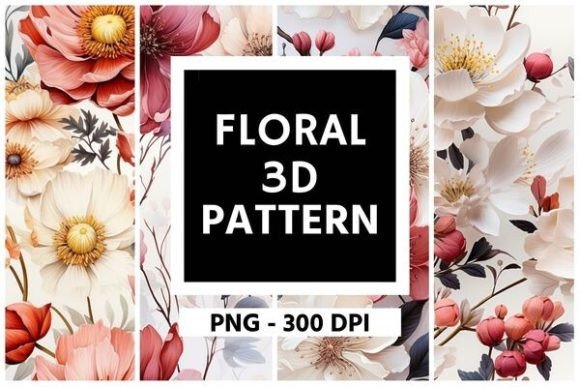
Floral Pattern Blossoming in 3D
In the landscape of modern digital design, static imagery often struggles to capture immediate attention. Users scroll past flat graphics with increasing speed, seeking visual cues that suggest depth and interaction. This is where Floral Pattern Blossoming in 3D becomes a critical asset rather than just a decorative element. It represents a shift from two-dimensional representation to an immersive experience, utilizing advanced rendering techniques to create a floral illusion that feels tangible. For professionals ranging from graphic designers to small business owners, integrating this pattern into a workflow offers a strategic advantage in conveying quality and sophistication.
The concept of Floral Pattern Blossoming in 3D goes beyond simple texture mapping. It involves a meticulous arrangement of petals, leaves, and stems that appear to emerge from the background plane. This creates a visual feast that combines the organic elegance of nature with the precision of digital art. When implemented correctly, the pattern does not merely sit on top of a canvas; it interacts with light and shadow to establish a sense of volume. This dimensionality is essential for projects requiring high engagement, such as luxury packaging, event invitations, or high-conversion landing pages.
Integrating 3D Florals into Design Workflows
Successful implementation of any visual asset begins during the planning phase. Before opening design software, creators must consider how Floral Pattern Blossoming in 3D aligns with their project goals. The decision to use a three-dimensional floral motif should be driven by the need for depth and realism. If a project requires a flat, minimalist aesthetic, a complex 3D pattern might introduce unnecessary visual noise. However, for campaigns aiming to evoke emotion or highlight premium products, this pattern serves as a powerful focal point.
During the execution stage, the integration process requires careful layer management. Unlike traditional vector patterns that repeat seamlessly on a single plane, 3D floral assets often require multiple layers to achieve the desired parallax effect. Designers should organize their files to separate foreground blooms from background foliage. This separation allows for dynamic adjustments later in the workflow. For instance, if a client requests a change in color palette, having distinct layers ensures that only specific elements are affected without compromising the structural integrity of the 3D illusion.
- Pre-production: Define the lighting direction and shadow consistency before importing the pattern to ensure realism.
- Production: Utilize blending modes to merge the 3D flowers with underlying textures, avoiding harsh edges.
- Post-production: Apply subtle grain or noise filters to unify the digital render with the rest of the composition.
Compatibility Across Platforms and Formats
One of the primary challenges in using Floral Pattern Blossoming in 3D is ensuring compatibility across various media formats. A pattern that looks stunning on a desktop monitor may lose its depth when scaled down for mobile devices or printed on textured paper. Professionals must evaluate the output medium early in the process. For web applications, optimized raster versions or lightweight WebGL implementations are often necessary to maintain performance while preserving the 3D effect. In contrast, print materials can leverage high-resolution vectors or detailed bitmaps to maximize the intricate details of each blossom.
When working with marketing teams or clients, communication regarding these technical constraints is vital. Explaining the trade-offs between file size and visual fidelity helps manage expectations. Furthermore, understanding how different software handles transparency and depth maps is crucial. Some platforms may flatten 3D layers upon export, which would negate the intended effect. Therefore, testing the asset in the final delivery format before full deployment is a standard best practice for quality control.
Strategic Use Cases in Business and Creativity
The versatility of Floral Pattern Blossoming in 3D makes it applicable to a wide array of professional scenarios. For entrepreneurs launching a new brand, this pattern can serve as a signature visual identity. Imagine a beauty product line where the packaging features a blooming flower that seems to pop off the box. This tactile illusion encourages physical interaction, prompting customers to touch and examine the product, thereby increasing dwell time and purchase intent.
For educators and content creators, the pattern offers a unique way to illustrate concepts related to growth, biology, or seasonal changes. Instead of relying on static diagrams, a 3D floral background can animate the learning process, making educational materials more engaging. Bloggers and publishers can utilize the pattern to break up long-form text, creating visual pauses that guide the reader's eye through the content naturally. The key is to use the pattern as a functional tool for navigation and emphasis, rather than mere decoration.
- Invitation Design: Create a sense of occasion and elegance for weddings or galas where the 3D effect mimics the anticipation of a blooming event.
- Product Mockups: Place the pattern behind product images to provide context and enhance perceived value without cluttering the scene.
- Digital Backgrounds: Use the pattern in virtual meeting backdrops or video thumbnails to stand out in crowded feeds.
Optimizing for Consistency and Efficiency
Maintaining consistency is paramount when scaling creative projects. If a brand decides to adopt Floral Pattern Blossoming in 3D as part of its visual language, it must be applied consistently across all touchpoints. This includes social media graphics, email newsletters, website headers, and physical collateral. To achieve this, designers should create a style guide that specifies the exact usage rules for the pattern. Determine the opacity levels, placement zones, and accompanying typography that work best with the 3D elements.
Efficiency can be further improved by organizing the pattern assets into reusable libraries. By saving variations of the Floral Pattern Blossoming in 3D in a dedicated folder structure, teams can quickly access the right version for a specific project. This reduces the time spent searching for assets and minimizes the risk of using outdated or incorrect files. Additionally, establishing a naming convention that includes resolution, color mode, and version number ensures that collaborators always know exactly which file they are working with.
Technical Considerations for Long-Term Use
While the visual impact of a 3D floral pattern is immediate, its long-term viability depends on technical robustness. As design trends evolve, the demand for lighter, faster-loading assets increases. Creators should consider the file format options available. While high-quality PNGs offer excellent transparency, SVG formats are ideal for scalable vector graphics that retain crispness at any size. For true 3D effects, some workflows may require specialized plugins or software capabilities that support depth simulation.
Quality control checks should also include accessibility considerations. Ensure that the pattern does not interfere with text readability or create visual strain for users with sensitivity to motion or complex patterns. Adjusting the contrast and simplifying the density of the blossoms can make the design inclusive without sacrificing its aesthetic appeal. Regular audits of the asset library help identify patterns that may no longer meet current standards or browser requirements.
Ultimately, the success of Floral Pattern Blossoming in 3D lies in its ability to bridge the gap between artistic expression and practical application. It is not enough for a design to look beautiful; it must function effectively within the user's environment. By approaching the integration of this pattern with a structured mindset, focusing on preparation, compatibility, and consistent execution, professionals can unlock its full potential. Whether you are designing a bespoke invitation or building a comprehensive brand identity, the depth and magic of 3D florals offer a compelling solution to bring your projects to life.
To fully leverage this resource, download the pattern and experiment with its application in your current workflows. Observe how the interplay of light and shadow alters the perception of your content. With the right approach, the enchantment of our Floral 3D Pattern will not only enhance the visual appeal of your work but also drive meaningful engagement and creativity.